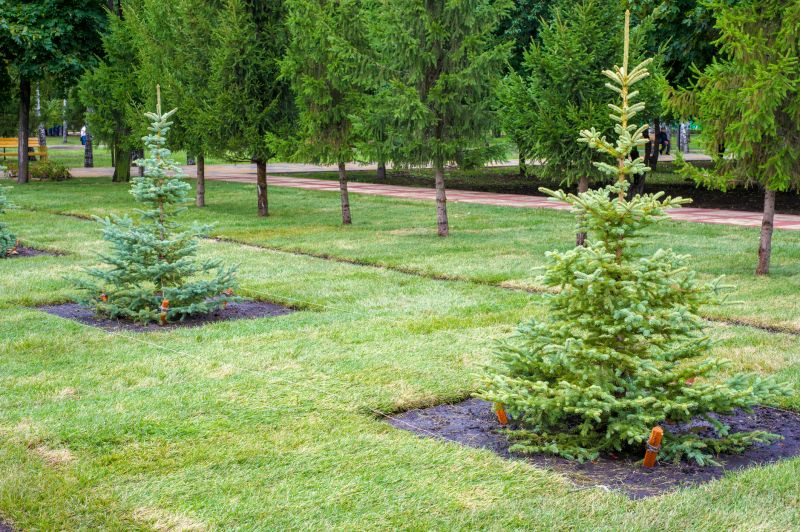
Privacy Trees Planting in Honolulu, HI
Privacy trees planting services involve selecting and installing trees specifically to enhance privacy on residential properties. This service covers a variety of projects, including creating natural screens along property lines, blocking views from neighboring homes or streets, and establishing secluded outdoor spaces. Homeowners typically want to understand which types of trees are best suited for privacy, how the planting process works, and what maintenance might be needed to ensure the trees grow healthy and provide effective screening over time.
Property owners interested in privacy tree planting should consider factors such as the size and growth rate of different tree species, the location for planting to avoid interference with utilities or structures, and the overall landscape design. It’s helpful to know about the space available for trees, the desired level of privacy, and any specific aesthetic preferences. Clarifying these details can help ensure the selected trees will meet privacy goals while complementing the existing landscape.
Many property owners in Honolulu, HI look into Privacy Trees Planting for repairs, replacements, upgrades, and appearance-related improvements.
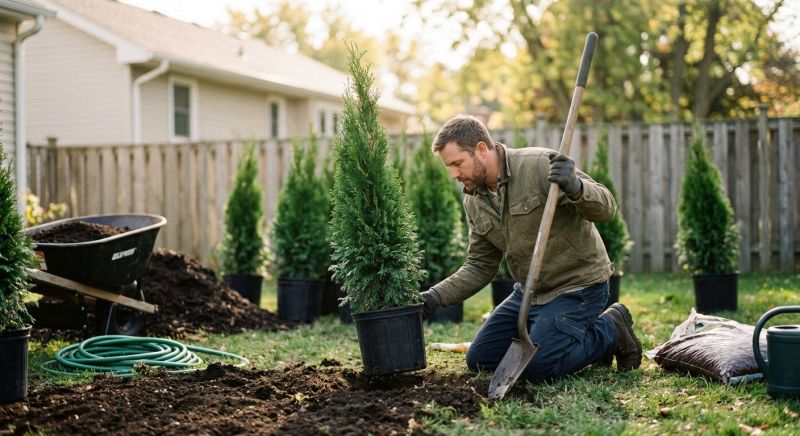
Privacy Tree Selection
Choosing the right trees can enhance privacy while complementing your landscape.
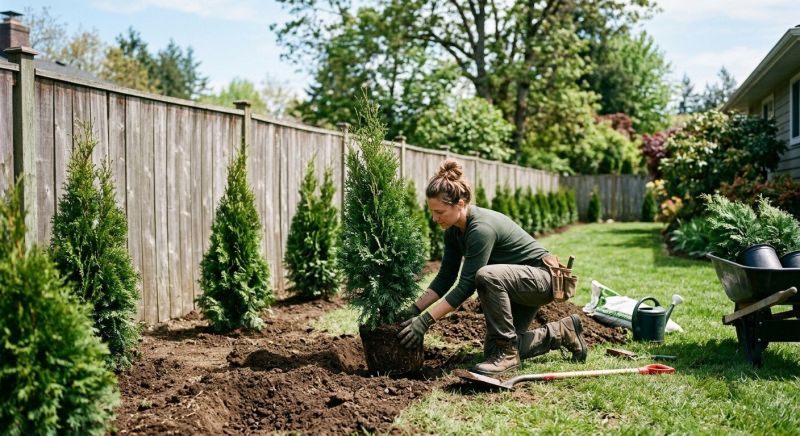
Planting And Maintenance
Proper planting ensures healthy growth and long-lasting privacy for your property.
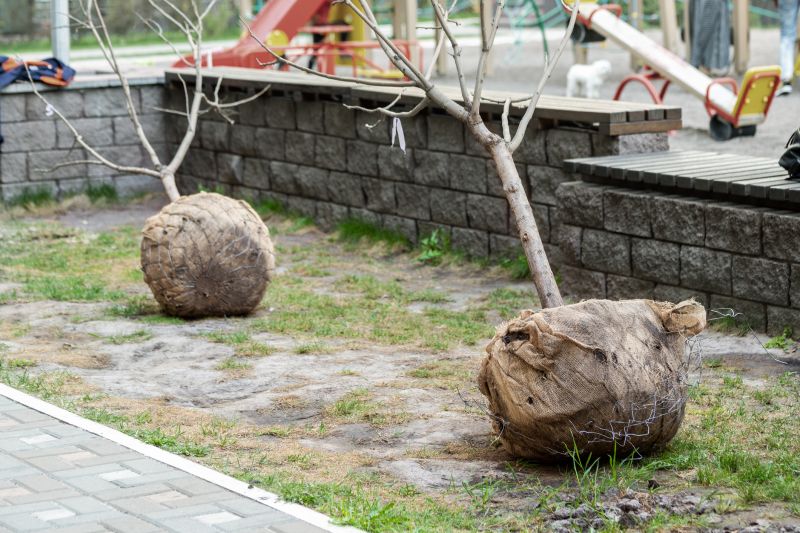
Designing Privacy Solutions
Strategic placement of privacy trees creates natural barriers and aesthetic appeal.
Privacy Trees Planting in Honolulu, HI

Privacy trees planting services involve selecting and installing trees specifically to enhance privacy on residential properties. This service covers a variety of projects, including creating natural screens along property lines, blocking views from neighboring homes or streets, and establishing secluded outdoor spaces. Homeowners typically want to understand which types of trees are best suited for privacy, how the planting process works, and what maintenance might be needed to ensure the trees grow healthy and provide effective screening over time.
Property owners interested in privacy tree planting should consider factors such as the size and growth rate of different tree species, the location for planting to avoid interference with utilities or structures, and the overall landscape design. It’s helpful to know about the space available for trees, the desired level of privacy, and any specific aesthetic preferences. Clarifying these details can help ensure the selected trees will meet privacy goals while complementing the existing landscape.
Many property owners in Honolulu, HI look into Privacy Trees Planting for repairs, replacements, upgrades, and appearance-related improvements.
Common Privacy Trees Planting Jobs
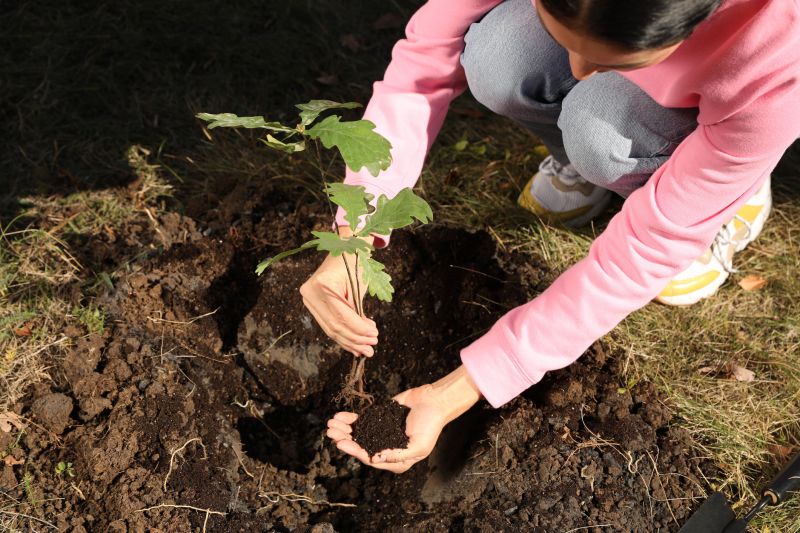
Tree planting - enhancing property landscapes with new privacy trees.
Tree removal - safely removing existing trees to improve privacy and space.
Tree trimming - maintaining the health and shape of privacy trees for optimal growth.
Site preparation - clearing and preparing soil for successful tree planting.
Stump grinding - removing tree stumps to prevent hazards and make space for new trees.
Landscaping services - integrating privacy trees into overall yard design for better seclusion.
Privacy Trees Planting Questions
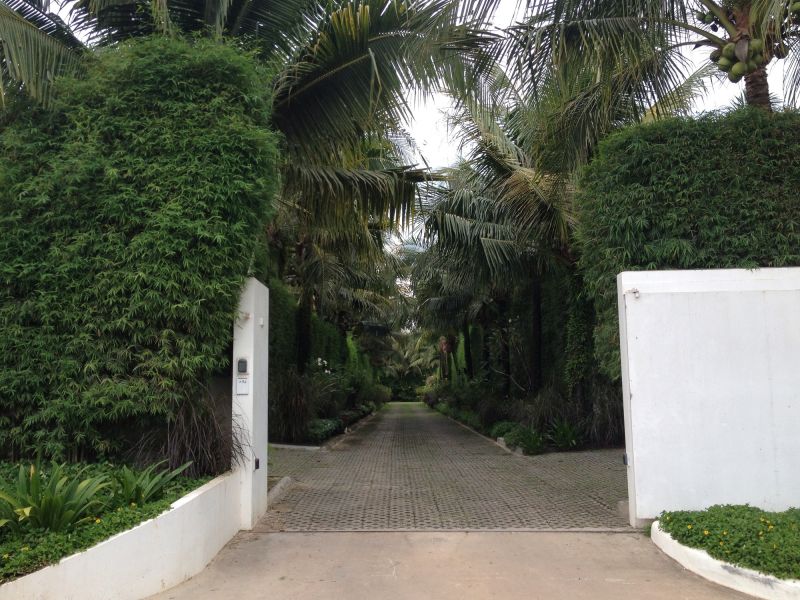
What are Privacy Trees? Privacy trees are strategically planted trees that help block views and create a natural privacy barrier around properties in Honolulu.
What types of trees are used for privacy? Common options include tall, dense species like ficus, bamboo, and certain evergreen varieties suitable for local climates.
How do privacy trees benefit a property? They provide visual screening, reduce noise, and enhance outdoor privacy for homeowners and property owners.
Are privacy trees suitable for small yards? Yes, there are varieties that grow vertically or stay compact, making them adaptable for smaller outdoor spaces.
Request Privacy Trees Planting in Honolulu, HI
Use the quote form on this page to share the basics of your project and request more information for the type of work you need.