Roof Snow Raking in New York, NY
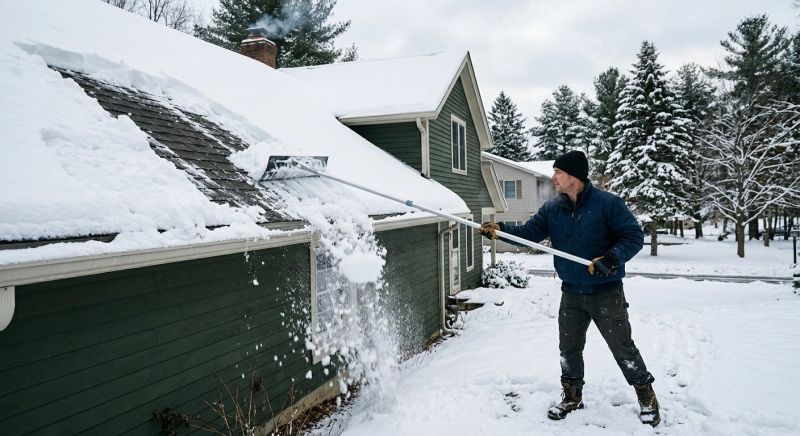
Roof snow raking services involve removing accumulated snow from the surface of residential roofs to help prevent ice dams, reduce weight stress, and minimize potential damage caused by heavy snow buildup. These services typically cover a variety of projects, including single-family homes, multi-story residences, and other structures where snow accumulation can pose risks. Homeowners often seek this service to maintain the integrity of their roofing systems, ensure proper drainage, and avoid issues like leaks or structural stress during the winter months.
Before requesting roof snow raking, property owners should consider factors such as the type of roofing material, the height and pitch of the roof, and the amount of snow present. It’s important to understand any specific precautions needed for steep or complex roof designs and to communicate concerns about delicate or older roofing materials. Proper planning and clear understanding of the scope can help ensure the service is performed safely and effectively, protecting the home during harsh winter conditions.
Many property owners in New York, NY look into Roof Snow Raking for repairs, replacements, upgrades, and appearance-related improvements.
Benefits Of Snow Raking
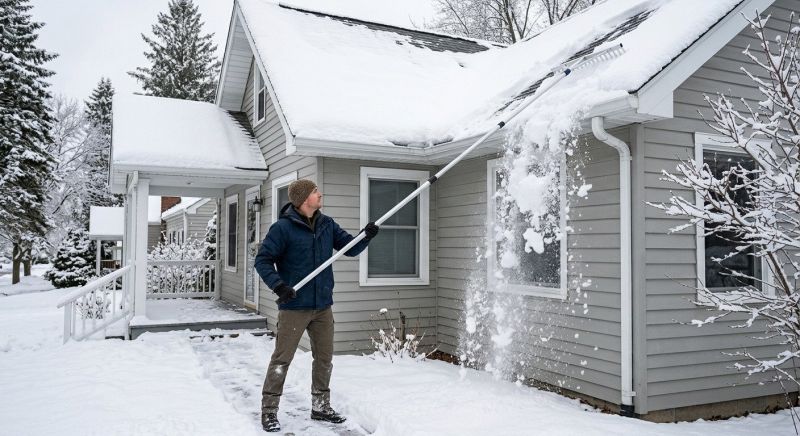
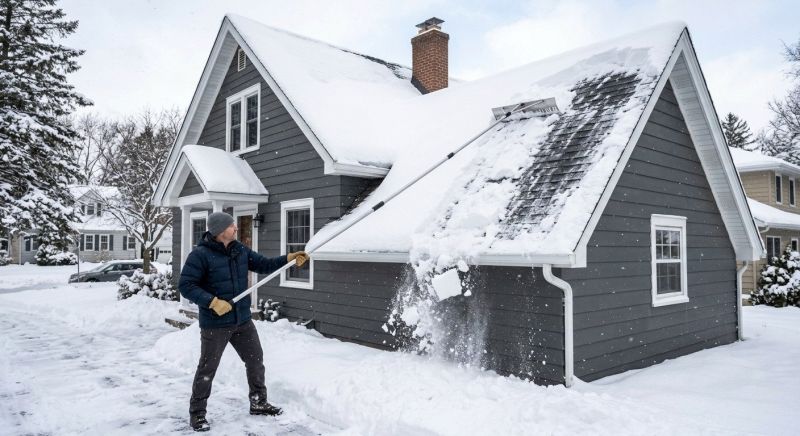
Removing snow from rooftops helps prevent ice dams and reduces structural stress.
Safety Considerations
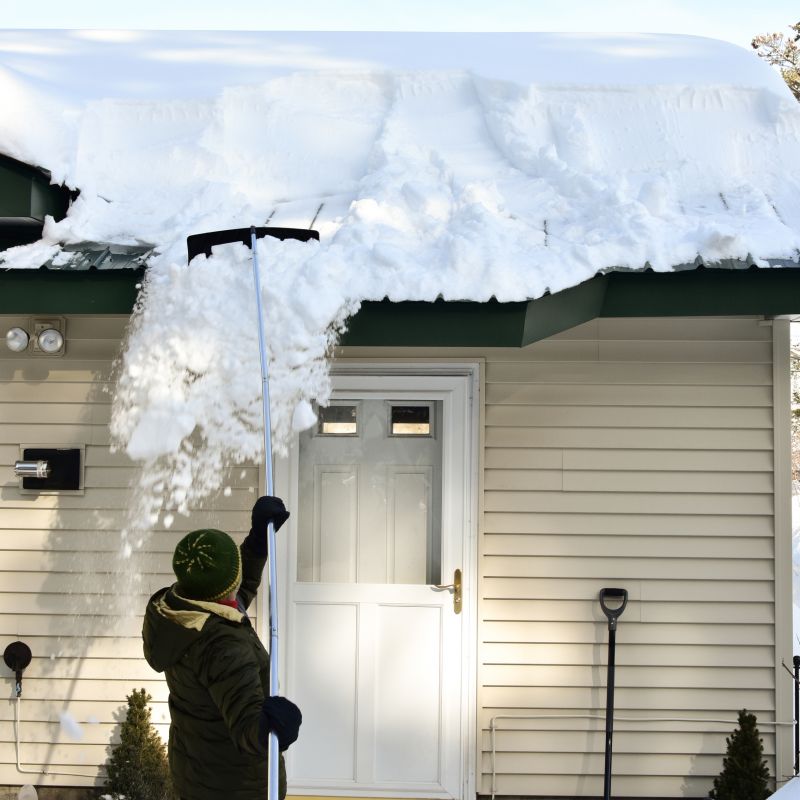
Proper snow raking minimizes the risk of damage to gutters and roof shingles during winter storms.
Ideal Conditions For Raking
Snow raking is most effective when snow accumulation is heavy and begins to melt or refreeze.
Roof Snow Raking in New York, NY

Roof snow raking services involve removing accumulated snow from the surface of residential roofs to help prevent ice dams, reduce weight stress, and minimize potential damage caused by heavy snow buildup. These services typically cover a variety of projects, including single-family homes, multi-story residences, and other structures where snow accumulation can pose risks. Homeowners often seek this service to maintain the integrity of their roofing systems, ensure proper drainage, and avoid issues like leaks or structural stress during the winter months.
Before requesting roof snow raking, property owners should consider factors such as the type of roofing material, the height and pitch of the roof, and the amount of snow present. It’s important to understand any specific precautions needed for steep or complex roof designs and to communicate concerns about delicate or older roofing materials. Proper planning and clear understanding of the scope can help ensure the service is performed safely and effectively, protecting the home during harsh winter conditions.
Many property owners in New York, NY look into Roof Snow Raking for repairs, replacements, upgrades, and appearance-related improvements.
Common Roof Snow Raking Jobs
Roof snow raking - removes heavy snow buildup to prevent damage and ice dams.
Snow removal from rooftops - helps maintain roof integrity during winter months.
Ice dam prevention - reduces the risk of water leaks caused by trapped ice.
Gutter clearing - ensures proper drainage and prevents ice formation in gutters.
Snow shedding services - safely removes snow from steep or hard-to-reach roof areas.
Winter roof maintenance - protects the roof structure and prolongs its lifespan.
Roof Snow Raking Questions
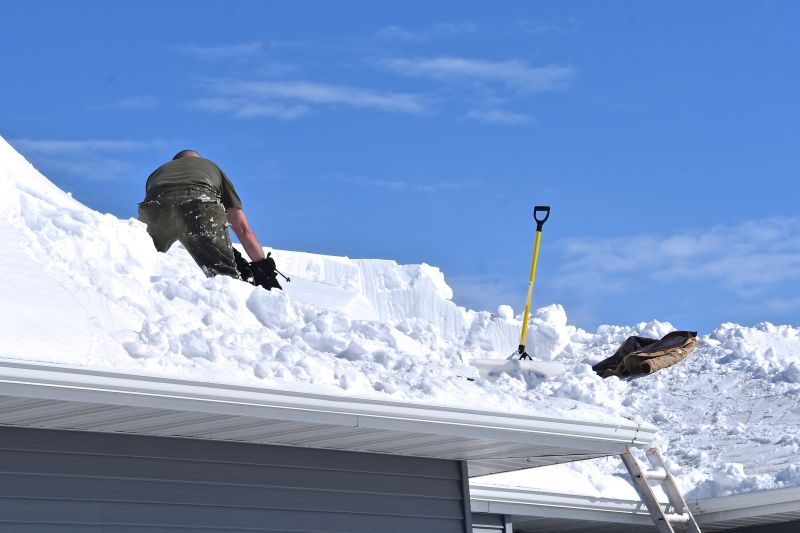
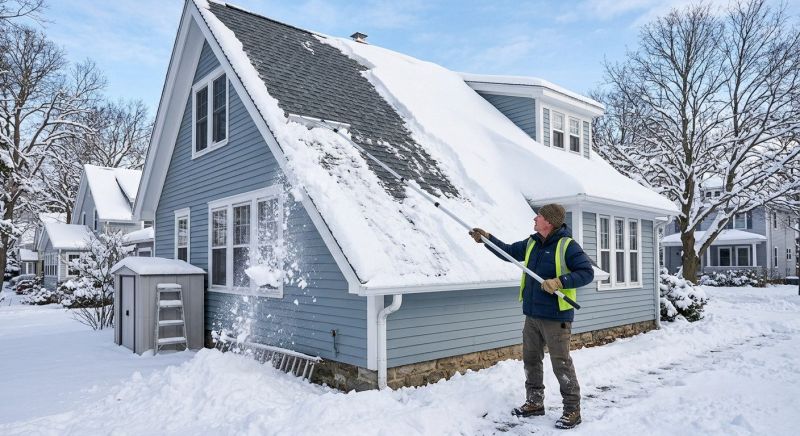
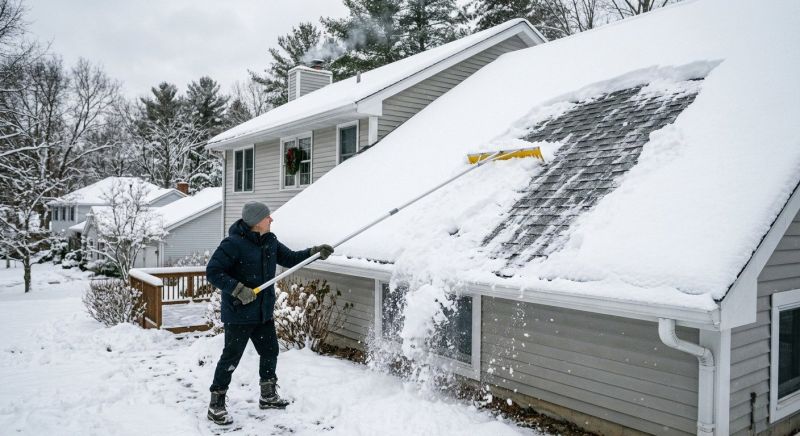
What is roof snow raking? Roof snow raking involves removing snow from the roof surface to prevent buildup and potential damage during winter months.
Why should homeowners consider snow raking? Removing snow can reduce the risk of ice dams, roof leaks, and structural stress caused by heavy snow loads.
When is the best time to rake snow off the roof? Snow should be raked when it accumulates significantly, especially before it melts and refreezes into ice dams.
Are there any safety concerns with snow raking? Safety precautions include using proper equipment and avoiding roof edges to prevent falls and injuries during snow removal.
Request Roof Snow Raking in New York, NY
Use the quote form on this page to share the basics of your project and request more information for the type of work you need.